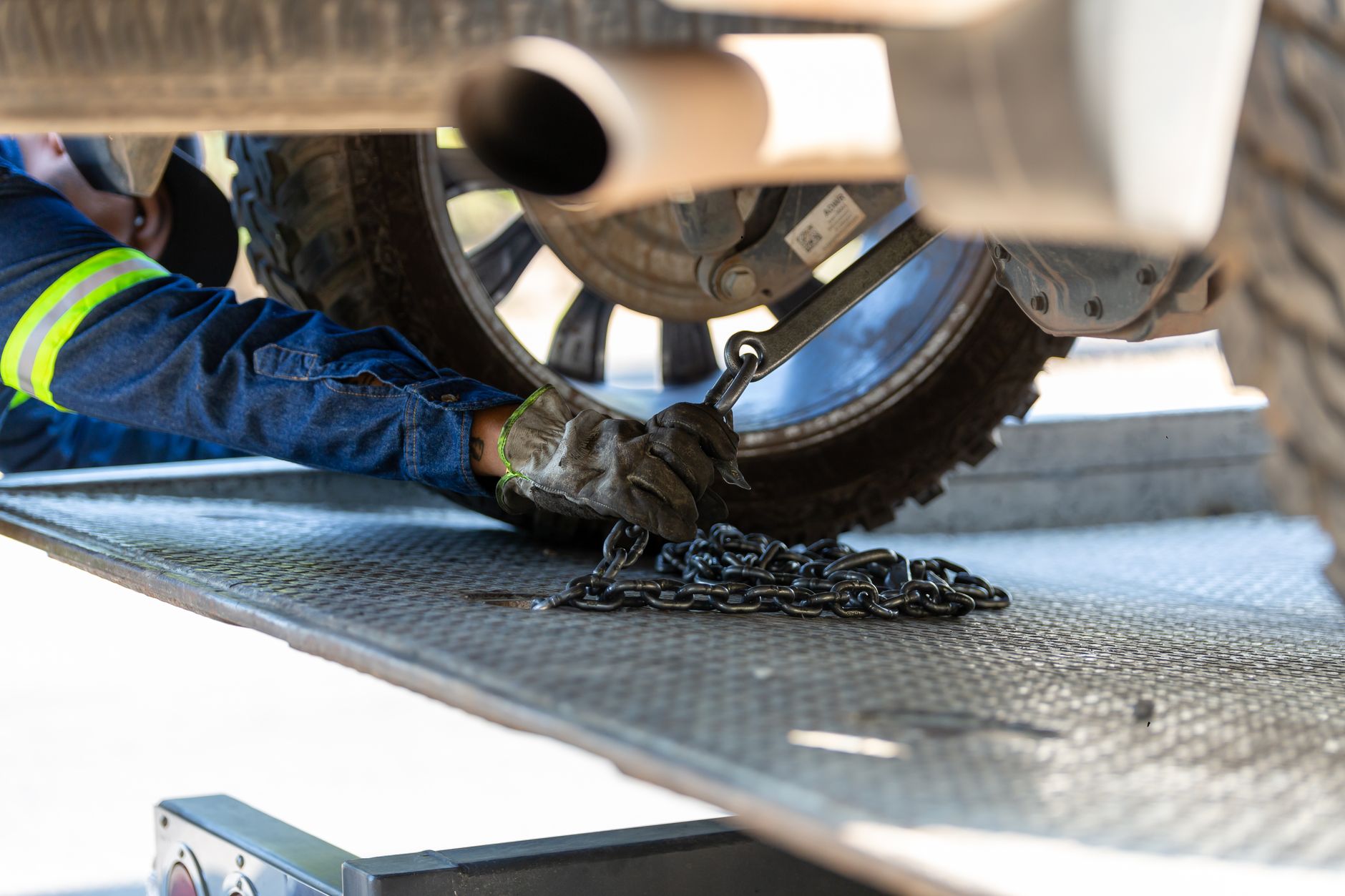
Where the vehicle goes is usually your call
If you are on scene and not injured, you can generally direct your vehicle to the shop or lot you choose rather than whichever truck arrived first. People give that up without realizing, because everything is loud and fast and somebody is holding a clipboard. Slow that one decision down.
Storage is the expensive part
The tow itself is a single charge. Storage is daily, and it accumulates whether or not anyone has looked at the car. A vehicle sitting in a lot for three weeks while an adjuster and a shop trade voicemails can quietly run up more than the tow did. Decide the destination early.
Drivable does not mean safe to drive
Cars come out of collisions with bent suspension geometry that feels fine at parking lot speed and is not fine at highway speed on the Harbor Bridge. Fluid on the ground, a wheel that is not straight, or airbag deployment all mean tow it, even if it starts.
The paperwork moment
Before the truck pulls away, write down the company name, the driver name, and the exact address the vehicle is going to. That single note is what prevents the phone calls three days later where nobody can tell you where your car is.
- You generally get to say where your vehicle goes if you are there and able
- Get the tow company name and the destination in writing before it leaves
- A vehicle that is not drivable is not automatically a total loss
- Storage fees start the day it arrives, so do not let it sit while you decide
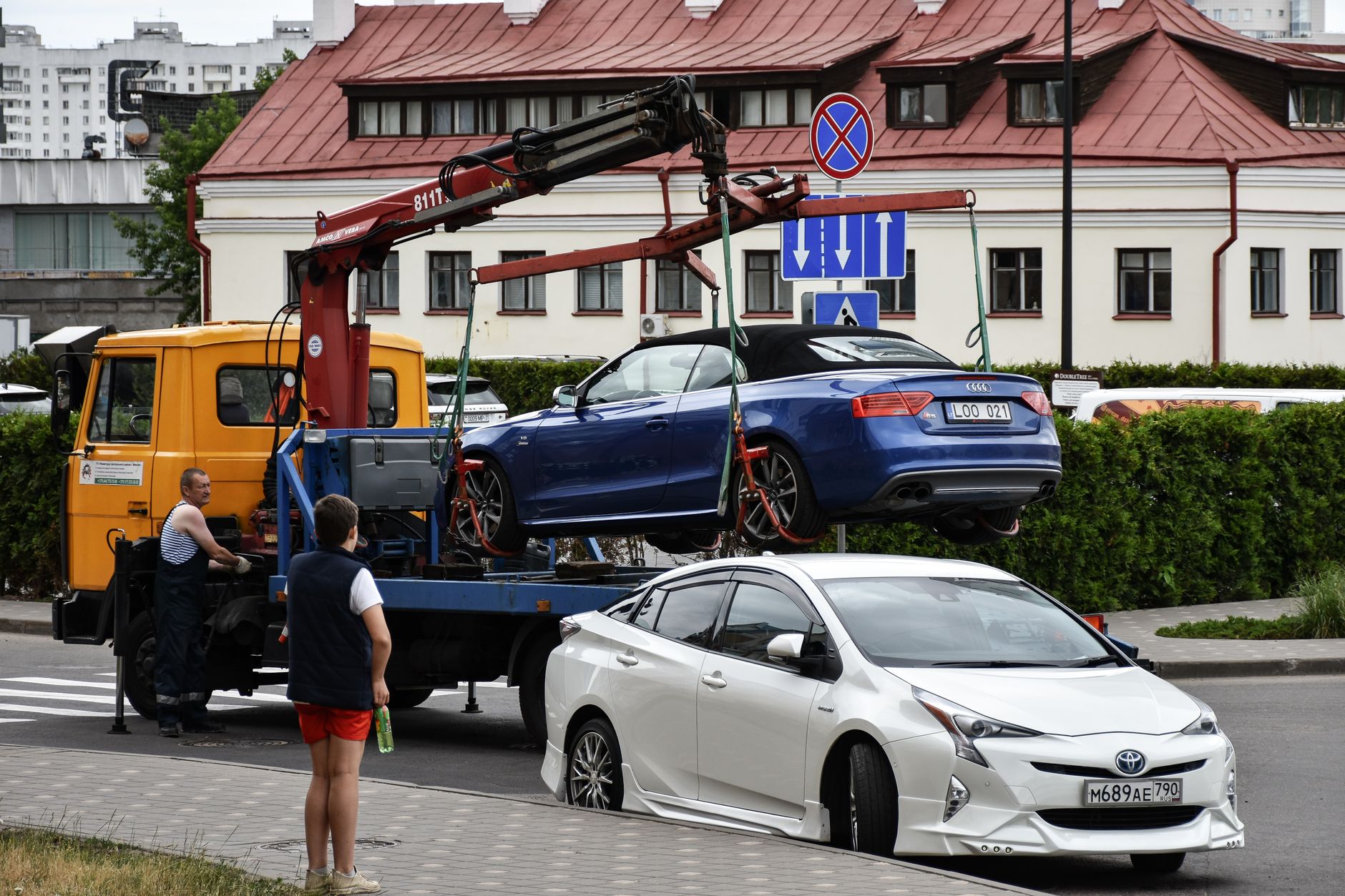
Questions people ask about accident and wreck tows
The police called a tow truck. Do I have to use it?
On a public road, when a vehicle has to be cleared, sometimes yes. Ask anyway, because if you are able to direct it you often can.
Will my insurance pay the tow?
Commonly yes under collision or roadside, but storage is where coverage runs out fastest. Move the car promptly.