
What actually happens out there
Packed wet sand near the water carries a normal car fine. The dry stuff higher up does not. People park, the tires sink an inch, and reversing digs them in past the rims. By the time most drivers call, all four wheels are buried and the underside is sitting on sand, which means the tires have nothing to push against.
Why this is a winch job and not a tow
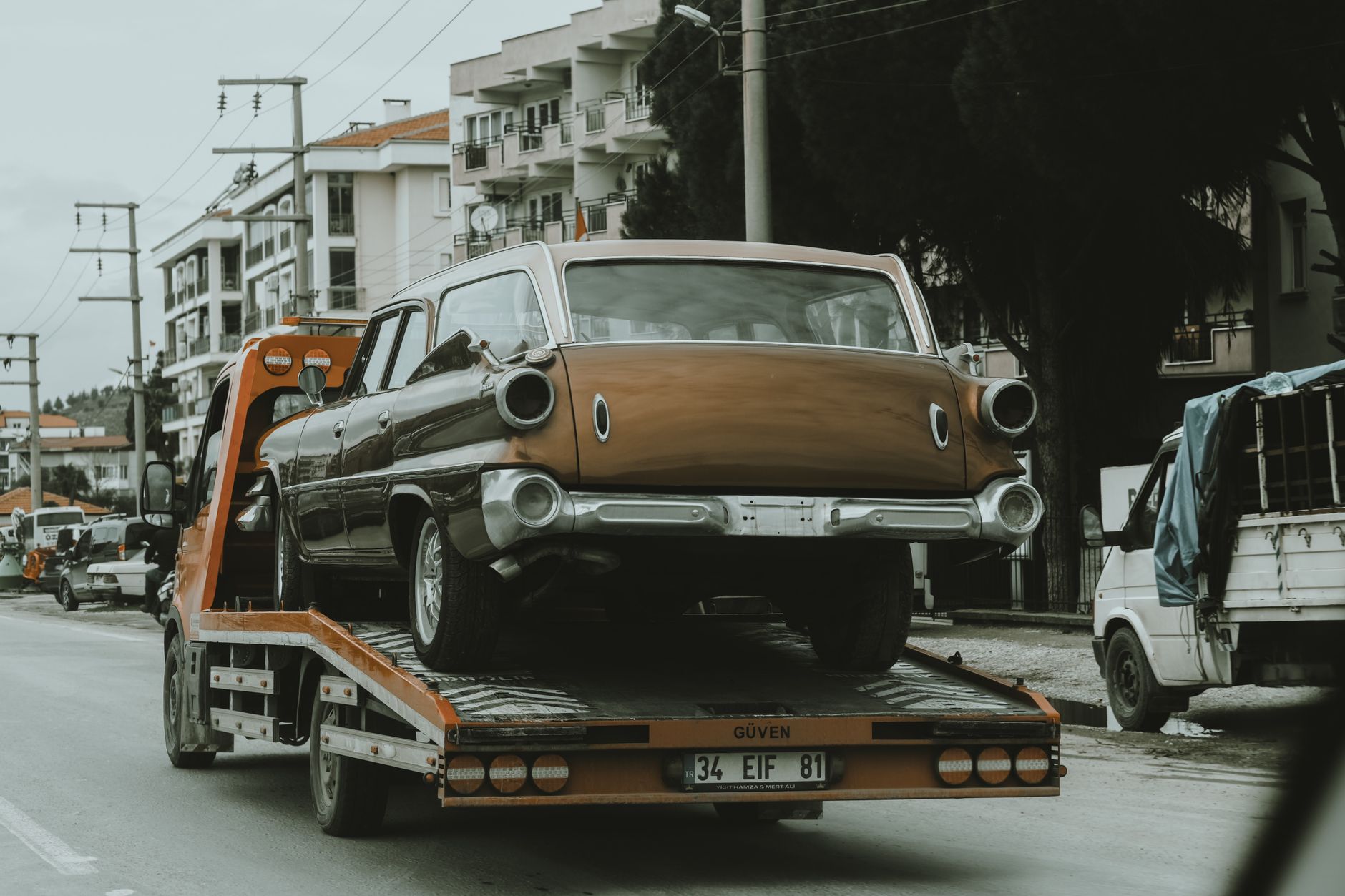
A tow truck hooks a vehicle and pulls it down a road. A recovery has to drag a dead weight out of a medium that is swallowing it, without the truck itself getting stuck. That is a cable, an anchor point and a driver who knows where the hard sand line is. Sending the wrong truck usually means two stuck vehicles instead of one.
The tide is the clock
This is the part visitors miss. A car stuck above the water line at low tide can be in the surf at high tide, and saltwater in an engine bay turns a two hundred dollar pull into a totaled vehicle. If the water is coming in, say so, because it moves you up the queue for a real reason.
When not to call anybody
If you are barely in and you have a shovel and a passenger, letting some air out of the tires and clearing sand from in front of all four wheels genuinely works. Try that first. Just do not spin the tires, because spinning is what turns a five minute fix into a winch job.
- Soft sand above the tide line is what gets people, not the wet packed sand
- Say SAND when you call so a winch truck comes instead of a flatbed
- Tide matters. A vehicle that is fine at low tide is a different job three hours later
- Deflating tires helps traction but you then need air before you drive home
Questions people ask about beach and sand recovery
Can a regular tow truck come on the beach?
Some can reach the packed sand. None of them should drive into the soft stuff, which is where you are. Ask for a winch-out.
Will my roadside plan cover this?
Usually not. Most plans exclude recovery, and beach recovery specifically. Assume out of pocket and be pleasantly surprised.